Forest Way Contact

Forest Way

Latest guides Page 5 of 9

  1. Cardboard

    Optimizing Cardboard Baling: Materials, Limitations, and Contamination Risks

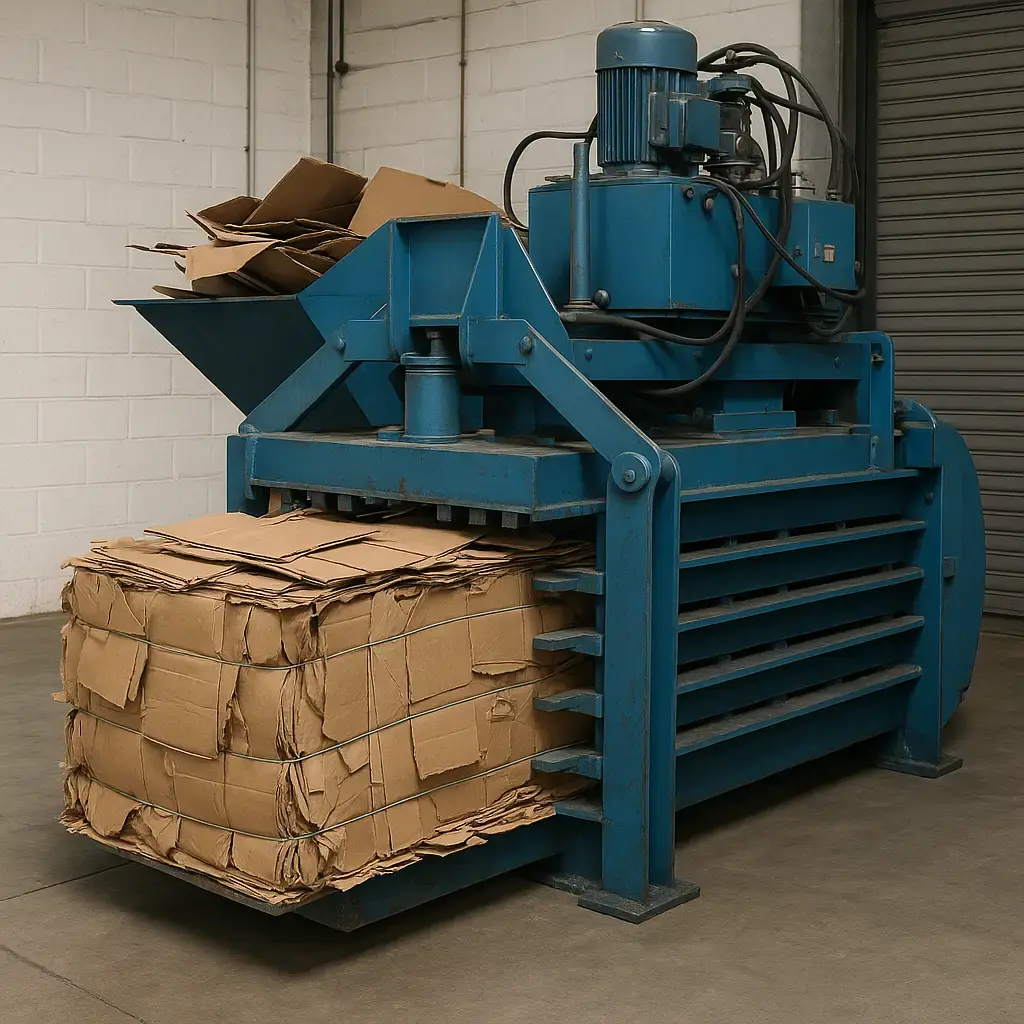
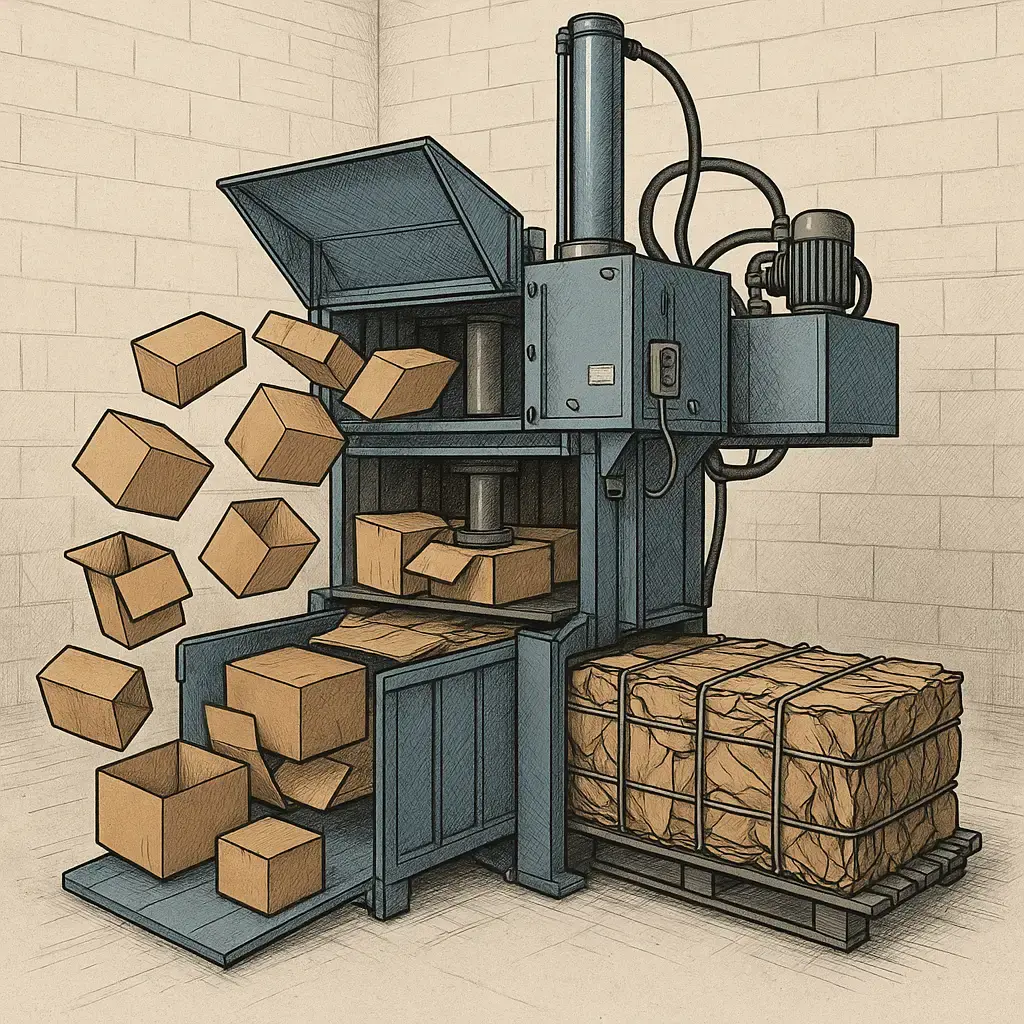
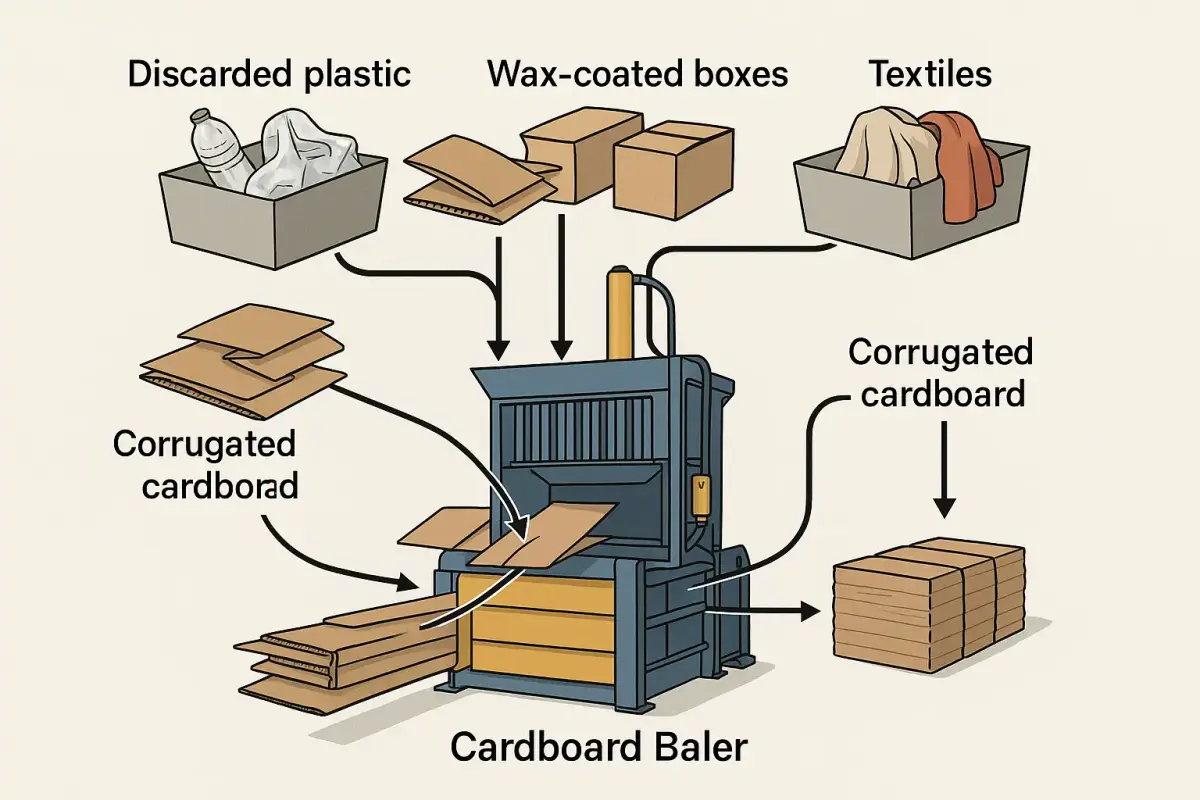
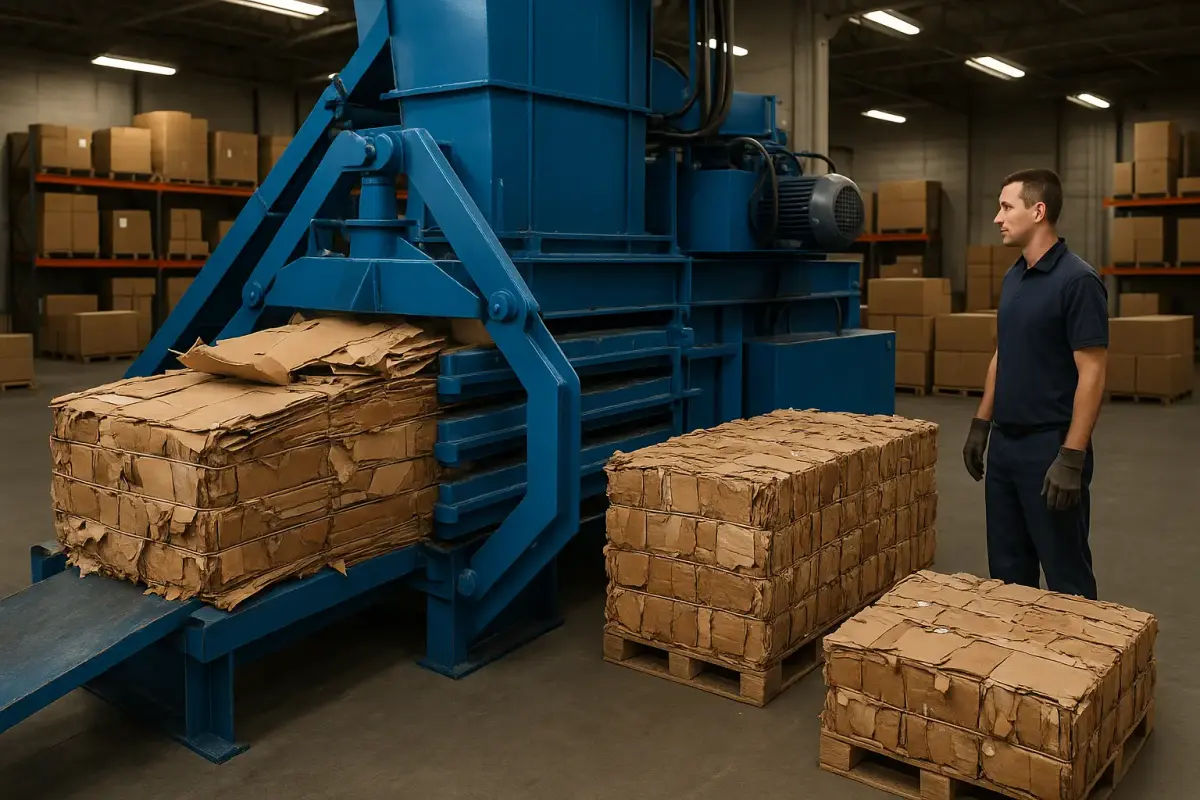
    Efficient cardboard baling lies at the heart of sustainable waste management and recycling operations. A properly configured baler can process large volumes of corrugated cardboard into dense, transportable bales, reducing hauling costs and material footprint. However, maximizing the value and purity of cardboard bales requires careful attention to feedstock specifications, permissible materials, and contamination controls.…
    · 5 min read

  2. Cardboard

    Overview and Detailed Insights on Cardboard Baling

    Key Takeaway: Cardboard baling is a critical step in the recycling chain that transforms loose cardboard into dense, transport-efficient bales. Leasing a baler typically ranges from $200 to $600 per month. Effectively describing baling experience on a resume can highlight operational skills, equipment maintenance, and environmental stewardship. While Jet Equipment does not manufacture cardboard balers, specialist…

    · 4 min read

  3. Cardboard

    Cardboard Bales: Recycling, Crafting, and Handling Techniques

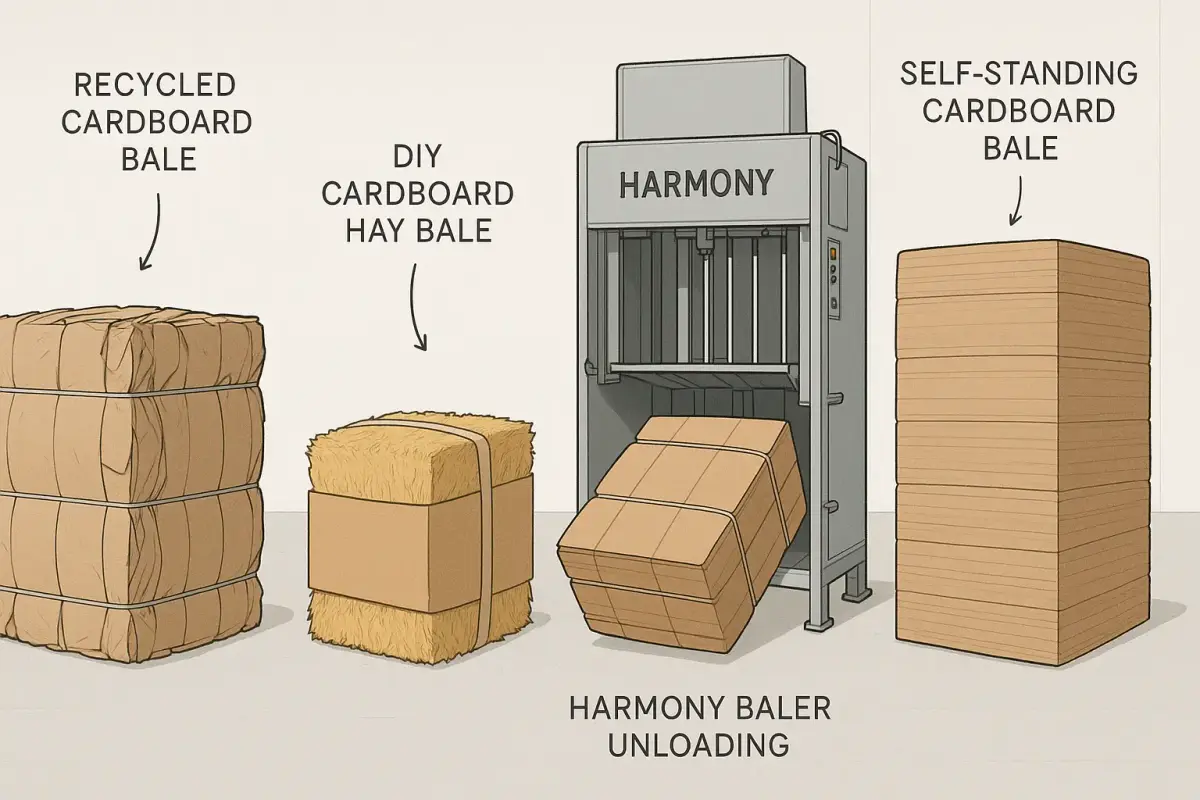
    Key Takeaway: Cardboard bales, whether generated by retail giants like Walmart or repurposed into decorative “hay bales,” can be efficiently managed through established recycling and processing systems. Additionally, with the right tools and techniques, cardboard can be transformed into stable, upright structures resembling hay bales and safely unloaded from baling equipment such as the Harmony cardboard…

    · 5 min read

  4. Cardboard

    Understanding the Weight of a Cardboard Bale

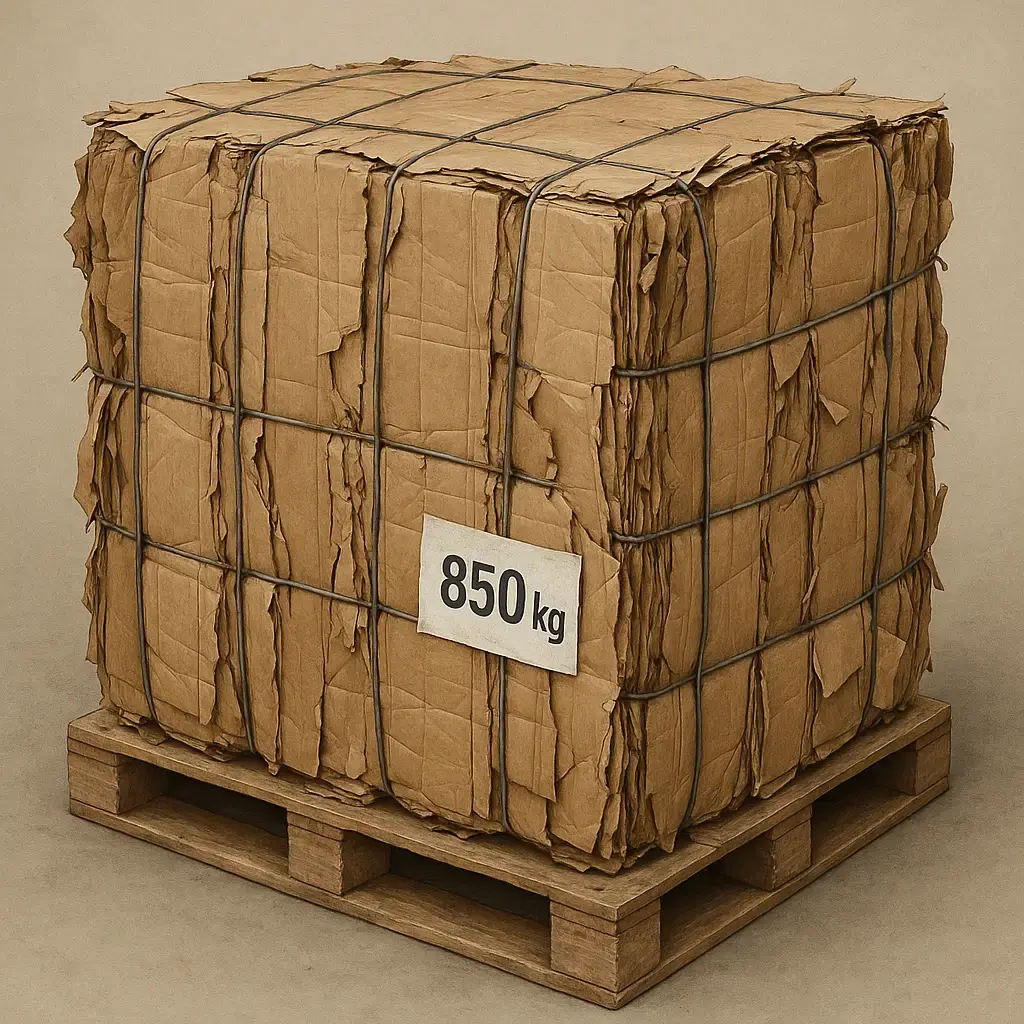
    Key Takeaway: A cardboard bale can weigh anywhere from 100 lbs for small-office bales up to 1,500 lbs or more for heavy-duty mill-size bales. Typical medium-size bales produced by vertical balers average around 660 lbs (300 kg), while industrial mill-size bales often range between 800 lbs and 1,100 lbs. Variations in weight stem from bale dimensions, compression force, moisture content, and cardboard type.

    · 4 min read

  5. Cardboard

    Cardboard Bales: Legality, Store Economics, and Individual Opportunities

    Key Takeaway: Businesses and individuals can legally and profitably engage in the baling and sale of cardboard—provided they comply with property and recycling regulations, invest in proper equipment to produce mill-sized bales, and partner with licensed recyclers. Stores monetize cardboard by selling compacted bales to recycling firms, offsetting disposal costs and even earning rebates. Individuals can…

    · 5 min read

  6. Cardboard

    Efficient and Safe Methods for Unloading a Cardboard Baler

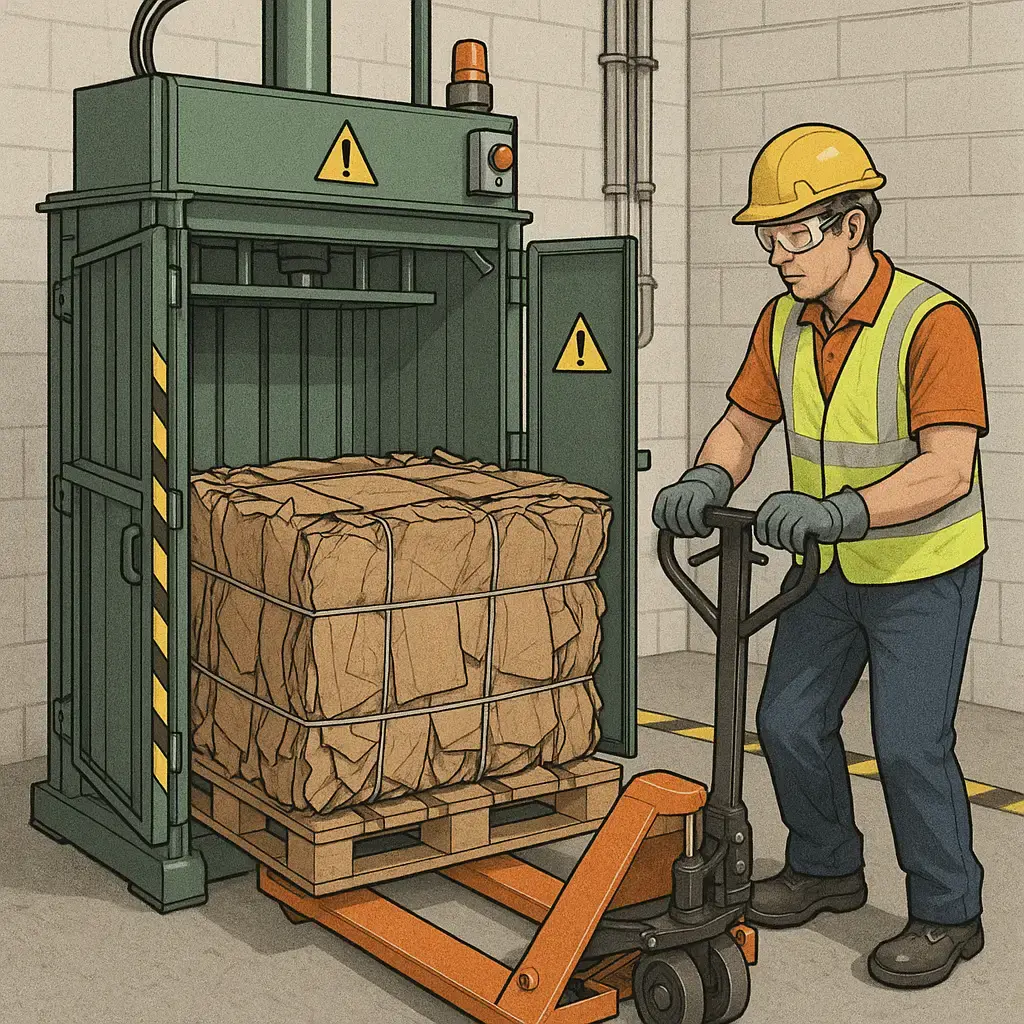
    Unloading—or emptying—a cardboard baler is a crucial aspect of maintaining smooth operations in any facility that recycles or processes cardboard waste. Proper unloading ensures continued productivity, prevents equipment damage, and safeguards operator safety. This comprehensive guide explores the types of balers, essential safety precautions, step-by-step unloading procedures, troubleshooting tips, and best practices to optimize your…

    · 5 min read

  7. Cardboard

    Comprehensive Guide to Cardboard Balers

    Key Takeaway: Proper operation and maintenance of a cardboard baler maximizes compaction efficiency, minimizes downtime, and enhances workplace safety. Understanding the machine’s mechanics, following safety protocols, and adhering to recommended procedures for loading, compacting, and emptying are essential for effective use.

    · 4 min read

  8. Cardboard

    How to Tie a Cardboard Bale

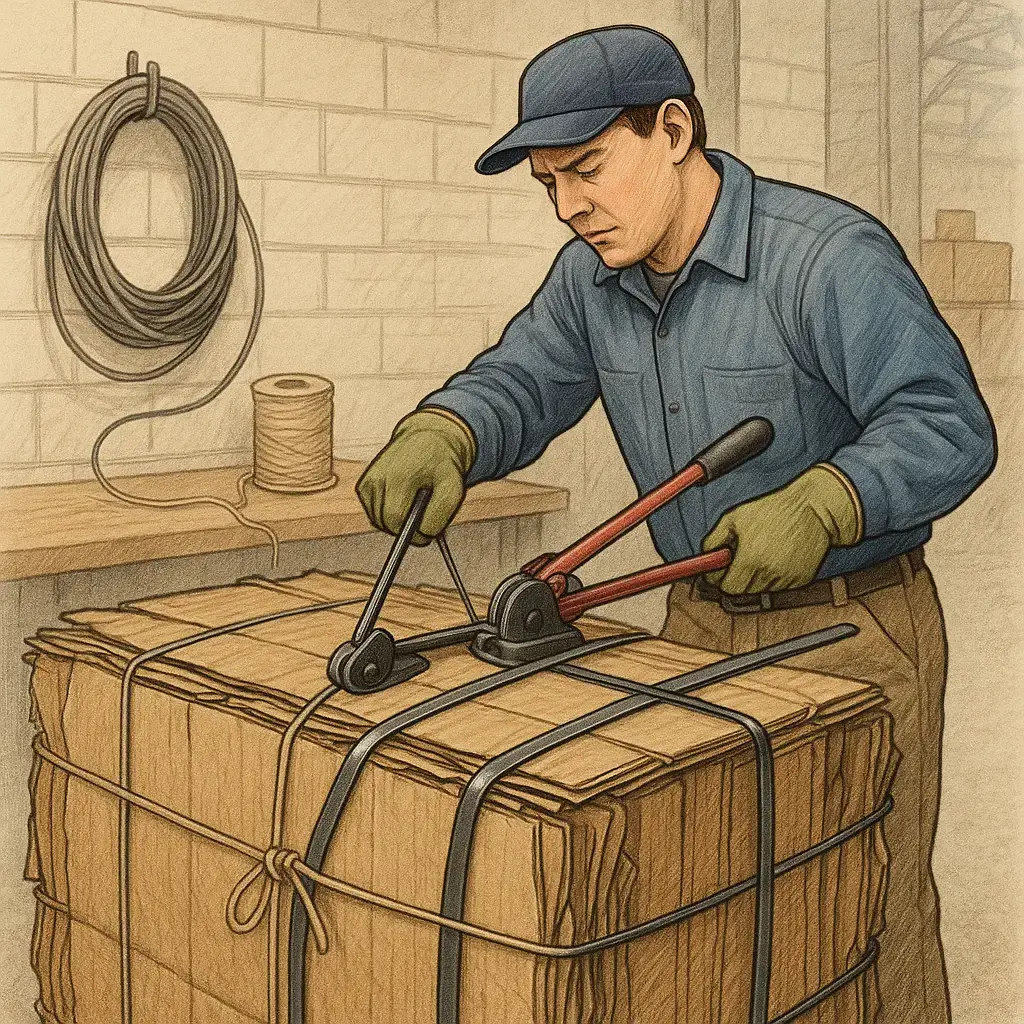
    Main Takeaway: Securing a cardboard bale correctly is essential for safe handling, storage, and transportation. Whether using baling wire, polypropylene twine, or steel strapping, following structured preparation, tying, and finishing steps will ensure the bale remains intact and manageable.

    · 5 min read

  9. Cardboard

    Guide to Resetting, Operating, and Repairing a Cardboard Baler

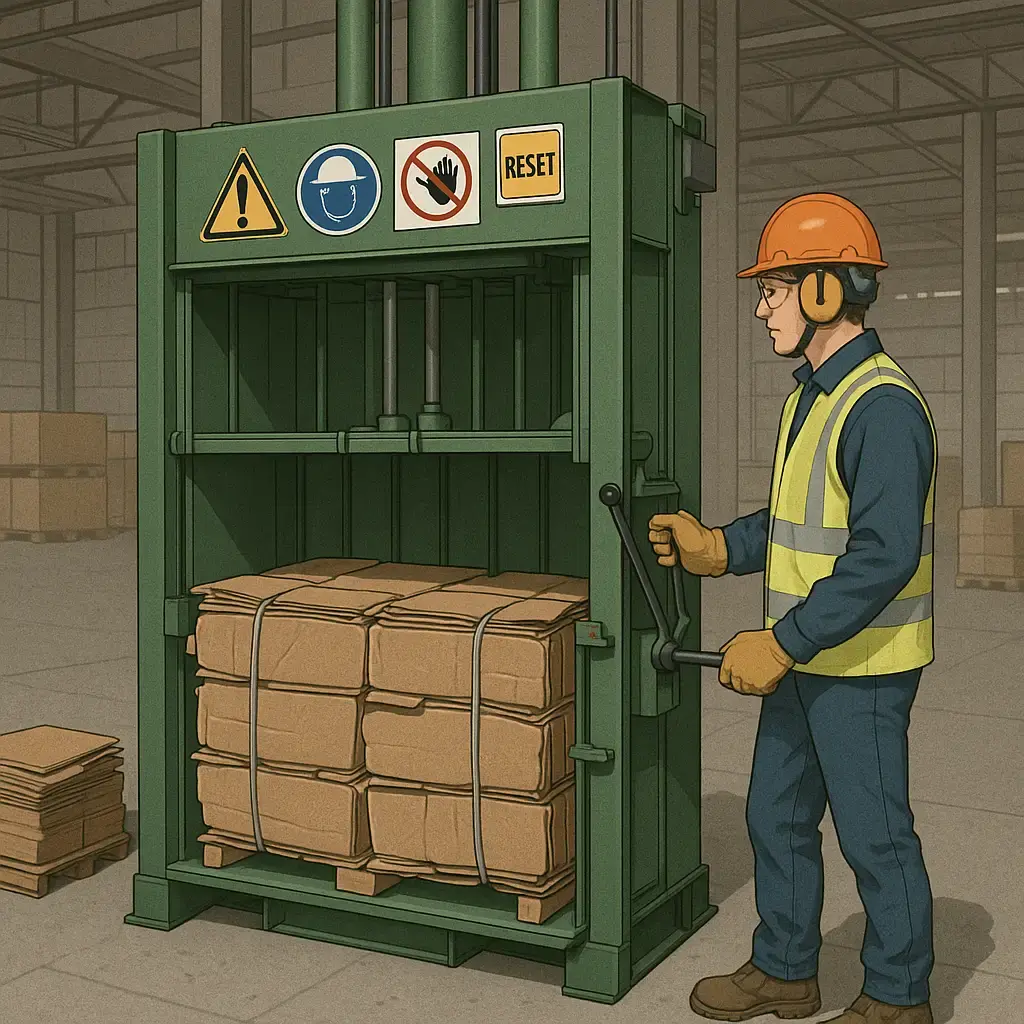
    Key Takeaway: Properly resetting, operating, and maintaining a cardboard baler requires a clear understanding of its hydraulic and electrical systems, adherence to safety protocols, and systematic troubleshooting. Regular inspections and preventive maintenance will drastically reduce downtime and extend equipment life.

    · 6 min read

  10. Cardboard

    Guide to Baling Cardboard for Recycling and Storage

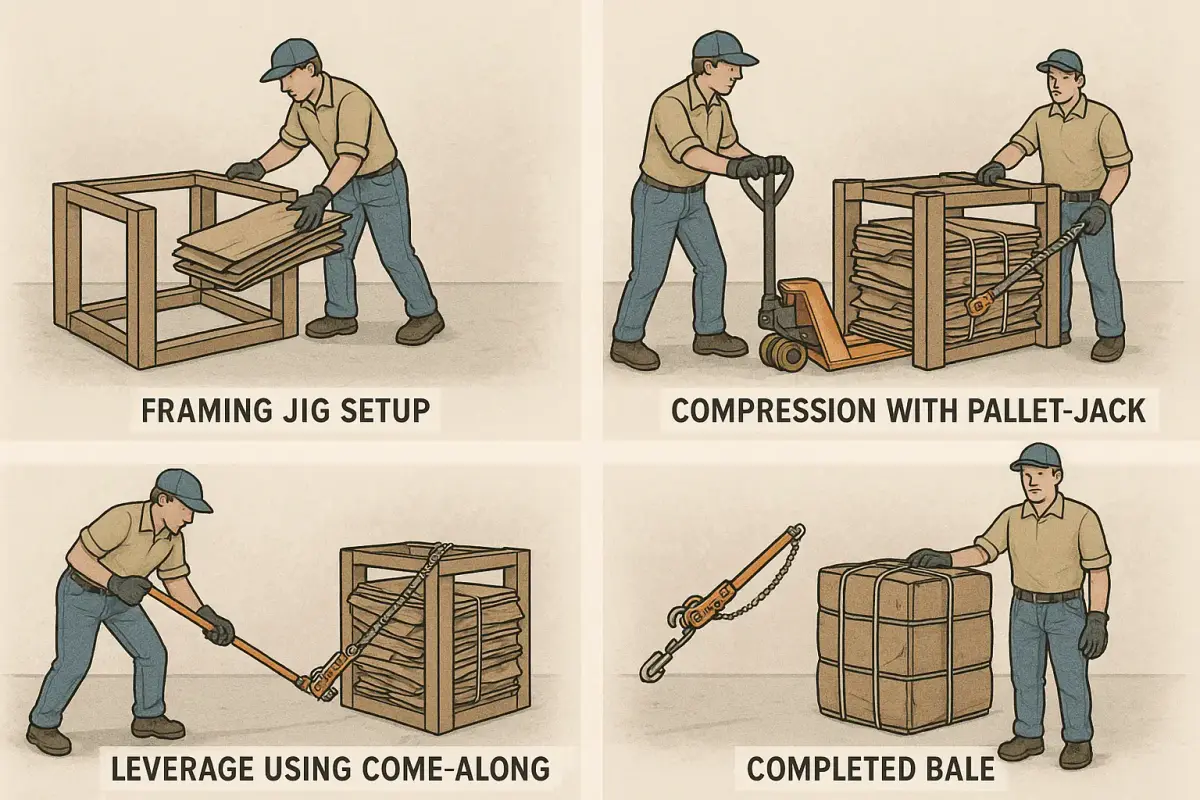
    Efficiently baling cardboard is essential for any business, warehouse, retail outlet, or large-scale recycling operation. Well-formed bales save space, streamline handling, and improve the economics of recycling by reducing transportation costs. This guide covers everything from DIY methods to semi-automated processes, addressing how to bale cardboard without a baler, how to construct corrugated cardboard bales,…

    · 5 min read

  11. Cardboard

    Guide to Efficient Cardboard Baling

    Key Takeaway: Proper operation and maintenance of a cardboard baler optimize throughput, safety, and equipment longevity. Monitor fill indicators, follow safe removal and changeover procedures, and adopt efficient loading techniques to maintain production flow. Most balers complete a full bale cycle in 2–5 minutes, depending on model and operator efficiency.

    · 5 min read

  12. Cardboard

    Cardboard Baler Hydraulic Oil: Capacity, Type, and Consumption

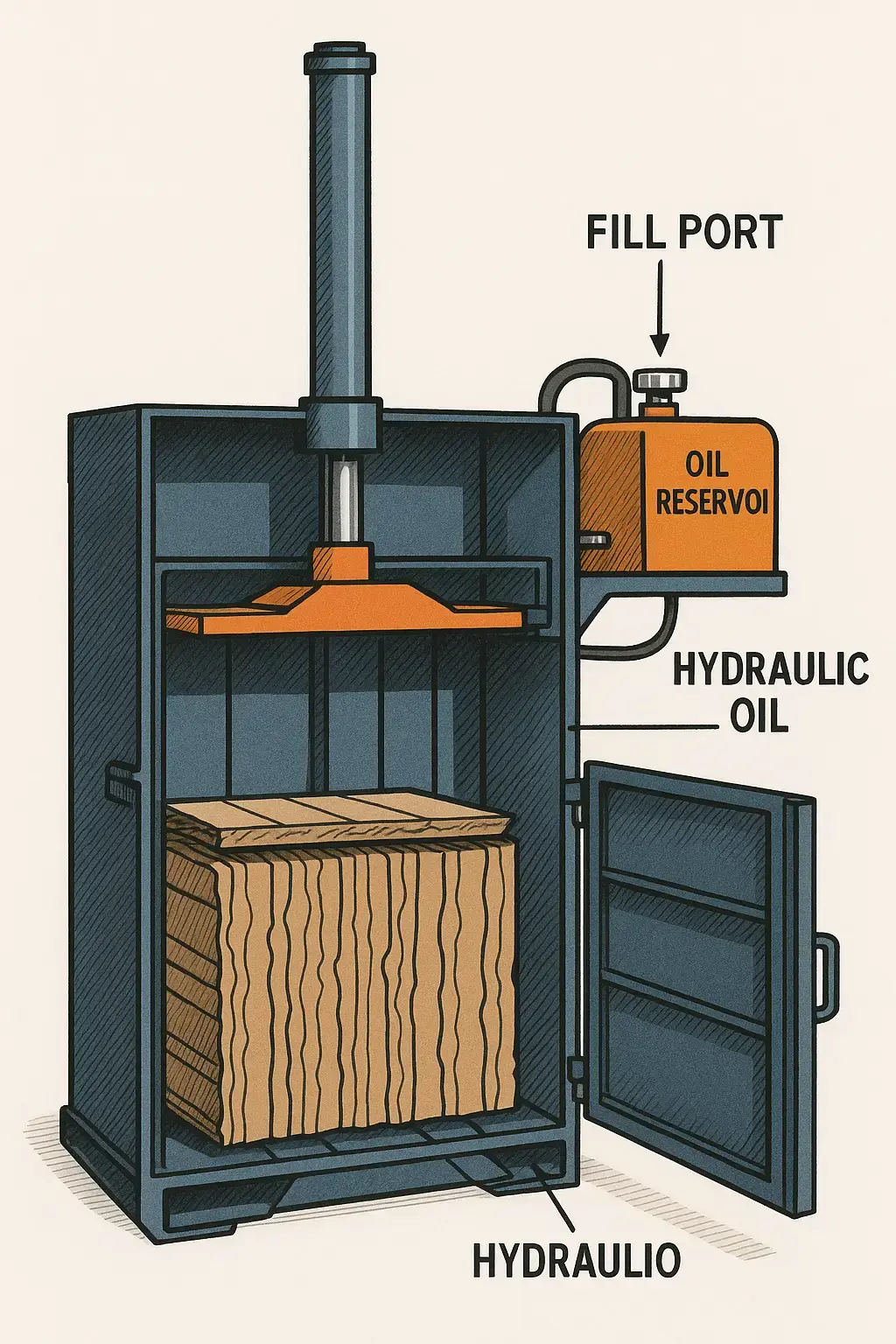
    Key Takeaways: A standard vertical cardboard baler holds between 18 and 30 gallons of hydraulic oil in its reservoir. Most manufacturers recommend anti-wear, all-weather hydraulic oils in viscosity grades ISO 32, ISO 46, or AW 68, chosen based on ambient temperature and duty cycle. Routine oil changes are typically performed every 1,000–2,000 operating hours (or annually), and unaddressed leaks can cause annual oil…

    · 3 min read