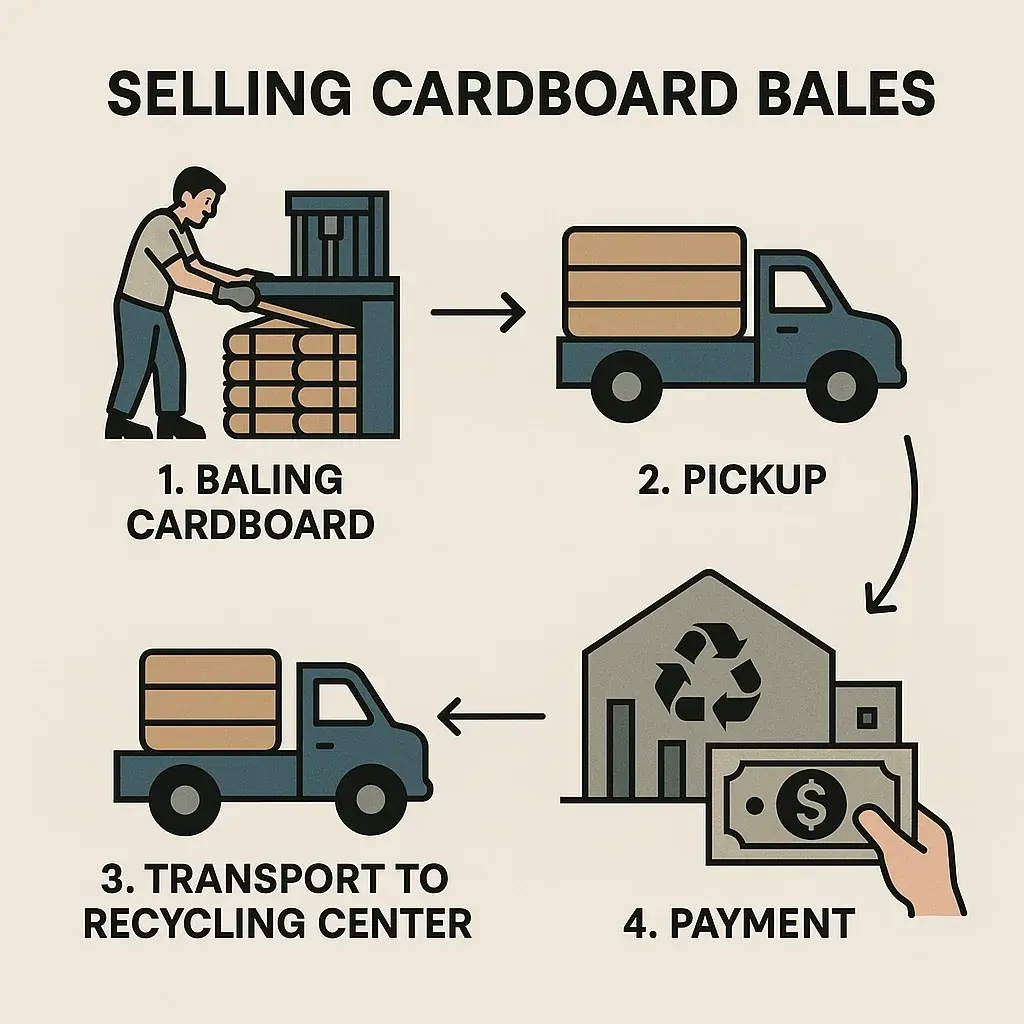
Maximizing Revenue from Cardboard Bales
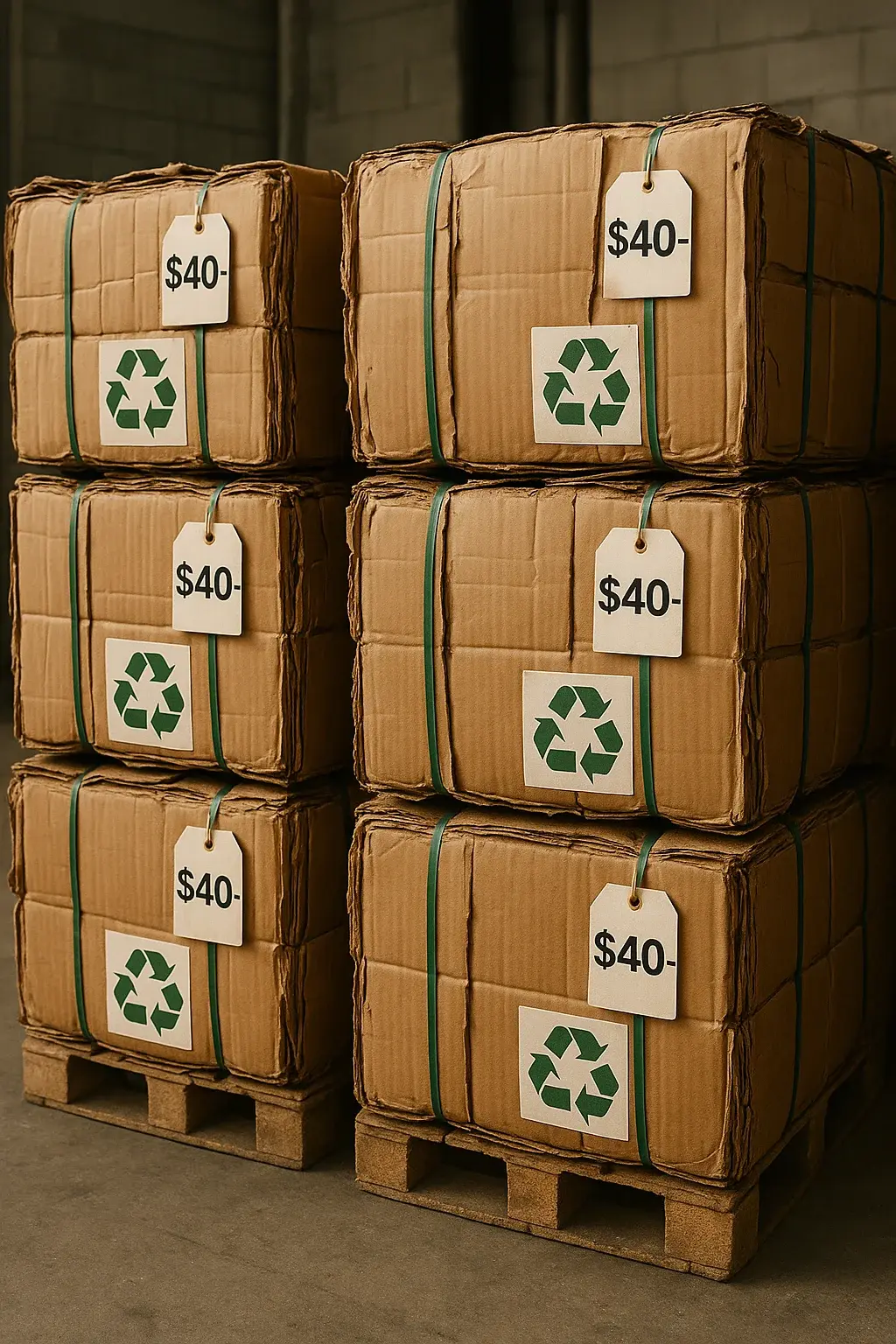
Key Takeaway In today’s fluctuating recycling markets, sellers can expect to receive anywhere from $40 to $120 per ton of baled corrugated cardboard under typical conditions, with occasional extremes ranging from $20 up to $210 per ton based on regional demand, bale quality, and prevailing commodity prices. Achieving top-dollar requires producing mill‐size bales, maintaining high material quality, and timing sales to market peaks.
1. Introduction
Cardboard recycling plays a critical role in both environmental sustainability and cost savings for businesses that generate significant packaging waste. When loose cardboard is compacted into bales, it transforms from a disposal expense into a revenue stream. However, prices for cardboard bales are not fixed; they vary by region, time of year, and the physical characteristics of each bale. Understanding how much you can realistically sell a bale of cardboard for involves examining:
- Typical price ranges per bale and per ton
- Factors that influence these prices
- Bale specifications preferred by recyclers and paper mills
- Regional variations in pricing
- Strategies to maximize returns
2. Typical Price Ranges
2.1 Price per Ton
Across major U.S. scrap yards and recycling centers as of early August 2025:
| Metric | Price (USD per ton) |
|---|---|
| National Average | 66.67 |
| High Price | 95.00 |
| Low Price | 40.00 |
- Cardboard Price USD/Ton in USA and Canada Scrap Yards Today (ScrapMonster)
2.2 Price per Bale
Since bales vary in weight-from 500 kg (≈1,100 lb) for medium‐size vertical‐press bales up to 1,000 kg (≈2,200 lb) for mill‐size bales-the price per bale depends upon bale mass. Converting ton‐based rates yields:
- A 660 lb (300 kg) medium bale: – At $66.67/ton → $21.99 per bale – At $95.00/ton → $31.42 per bale – At $40.00/ton → $13.24 per bale
- A 1,000 lb (454 kg) mill‐size bale: – At $66.67/ton → $33.33 per bale – At $95.00/ton → $47.50 per bale – At $40.00/ton → $20.00 per bale
2.3 Historical Extremes
Over the past five years, U.S. OCC (Old Corrugated Containers) prices have ranged from $20 to $210 per ton due to global supply‐demand shifts, export restrictions, and seasonal demand spikes.
- How much is a cardboard bale worth? (Recycling.com)
3. Factors Influencing Bale Pricing
3.1 Material Quality and Contamination
- Clean corrugated cardboard (free of food residue, tape, plastics) commands premium rates because it reduces processing costs for mills.
- Mixed or contaminated bales often sell at discounts of 10–30%.
3.2 Bale Specifications
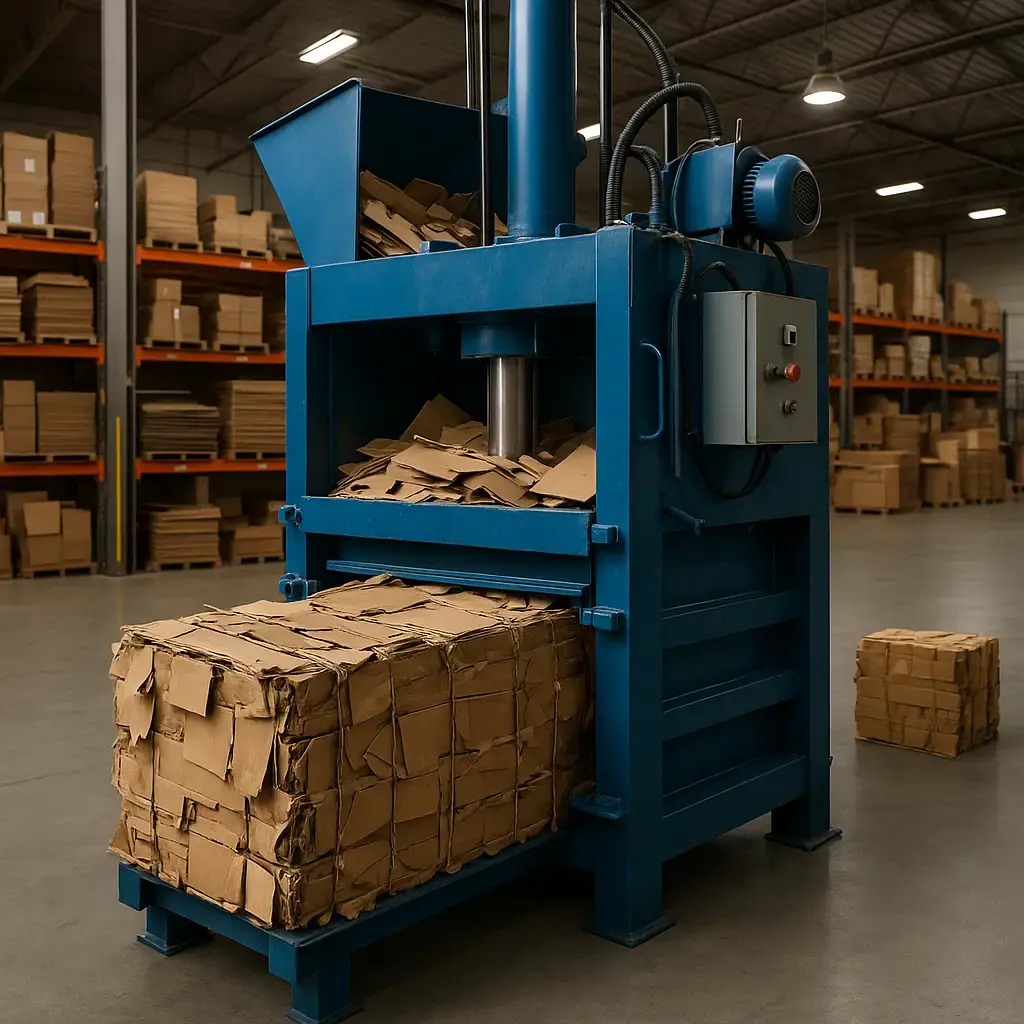
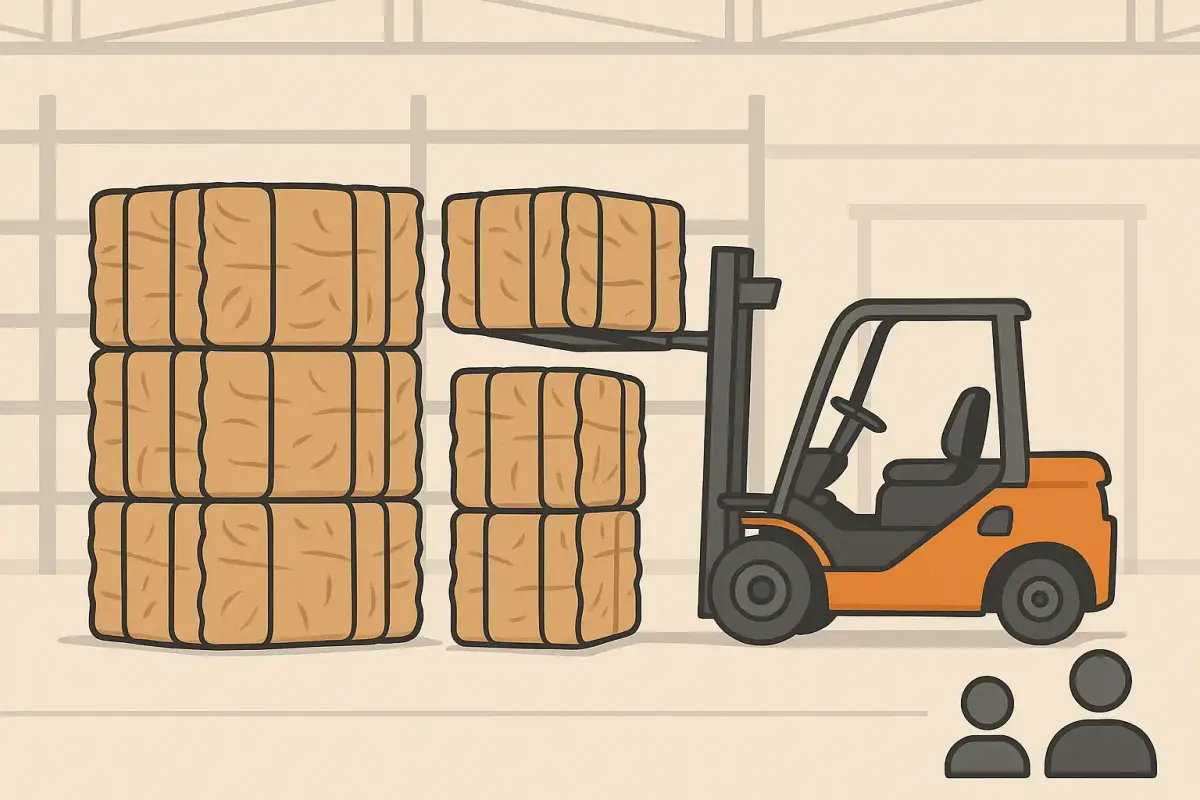
Recyclers prefer mill‐size bales measuring roughly 60″×30″×48″ and weighing 800–1,200 lb. Denser, uniformly sized bales:
- Reduce transport costs per ton
- Facilitate easier handling at the recycling facility
- Qualify sellers for higher per‐ton rebates
3.3 Volume and Frequency
- Bulk sellers moving full truckloads (e.g., 20–25 tons) typically negotiate better rates, earning 5–15% above spot pricing.
- Routine contracts with weekly or monthly pickups can secure stable pricing and priority scheduling.
3.4 Market Demand and Seasonality
- Holiday season (Q4) often sees increased demand for packaging materials, driving prices up by 10–20%.
- Post‐holiday glut (Q1) can depress prices by up to 15%.
- Global export markets, especially demand from Asia and Europe, influence domestic scrap prices-tariff changes or shipping disruptions can swing prices by $20–50/ton.
3.5 Transportation and Location
- Proximity to major paper mills or consolidation centers reduces freight costs; inland or remote locations may incur surcharges of $5–$15/ton.
- Urban areas with multiple recycling processors often see more competitive pricing than rural regions.
4. Regional Pricing Variations
Based on national averages adjusted by typical local differentials.
| Region/State | Approx. Price Range (USD/ton) |
|---|---|
| California | 75–95 |
| Texas | 70–85 |
| Florida | 60–80 |
| New York | 65–90 |
| Illinois | 70–100 |
| Pennsylvania | 60–85 |
| Ohio | 55–75 |
| Georgia | 65–90 |
- Pricing | Cardboard Bale Recycling (CardboardBaleRecycling.com)
5. Cost-Saving and Environmental Benefits
5.1 Reduced Waste Hauling Costs
Converting loose cardboard to bales lowers volume by up to 90%, reducing hauling frequency and bin rental expenses by 30–50%.
5.2 Floor-Space Efficiency
Each bale occupies only 2–3 sq ft compared to multiple cubic yards of loose cardboard, freeing storage space.
5.3 Environmental Impact
- Recycling one ton of cardboard saves 46 gallons of oil, 700 lbs of CO₂, and 9 m³ of landfill space.
- Diverts over 90% of cardboard waste from landfills, supporting corporate sustainability goals.
6. Best Practices to Maximize Revenue
Implement the following strategies to ensure you capture the highest possible returns:
| Strategy | Impact on Revenue |
|---|---|
| Produce Mill-Size Bales | Earn up to 15% more per ton due to preferred dimensions and density. |
| Maintain Material Purity | Clean cardboard can fetch 10–30% premiums. |
| Establish Volume Contracts | Secure stable rates and prioritized pickups. |
| Monitor Market Trends | Time sales for Q4 peaks, avoiding Q1 slumps. |
| Optimize Logistics | Minimize freight costs by consolidating loads near buyers. |
7. Practical Example
A mid‐sized warehouse produces 20,000 lb of recyclable cardboard monthly:
- Baled into 1,000 lb mill‐size bales → 20 bales
- At an average rate of $80/ton → $40 per 1,000 lb bale
- Monthly revenue = 20 bales × $40 = $800
- Annualized revenue ≈ $9,600, excluding waste-hauling savings and environmental credits.
8. Conclusion
For businesses generating moderate to large volumes of cardboard, baling is not merely a waste-management tactic but a revenue-generating opportunity. By focusing on proper bale specifications, material cleanliness, and market timing, sellers can consistently achieve rates between $40 and $120 per ton, with upside potential during peak demand periods. Coupled with reductions in hauling and storage costs, cardboard baling contributes significantly to the bottom line and to broader sustainability objectives.